Modernizing a 10-Year Legacy Clinical Platform for Its Next Decade of Growth in the Age of AI Without Disrupting Hospital Operations
How an enterprise healthcare CEO future-proofed his legacy application (Rezibase) for the next 10 years of growth—without disrupting hospital operations in Australia & UK.

- Industry
- Medical
- Type
- Enterprise
- Client
- Cardiobase
- Technology
- Web
- Location
- Australia
Context
Enterprise healthcare · Legacy Application Modernization
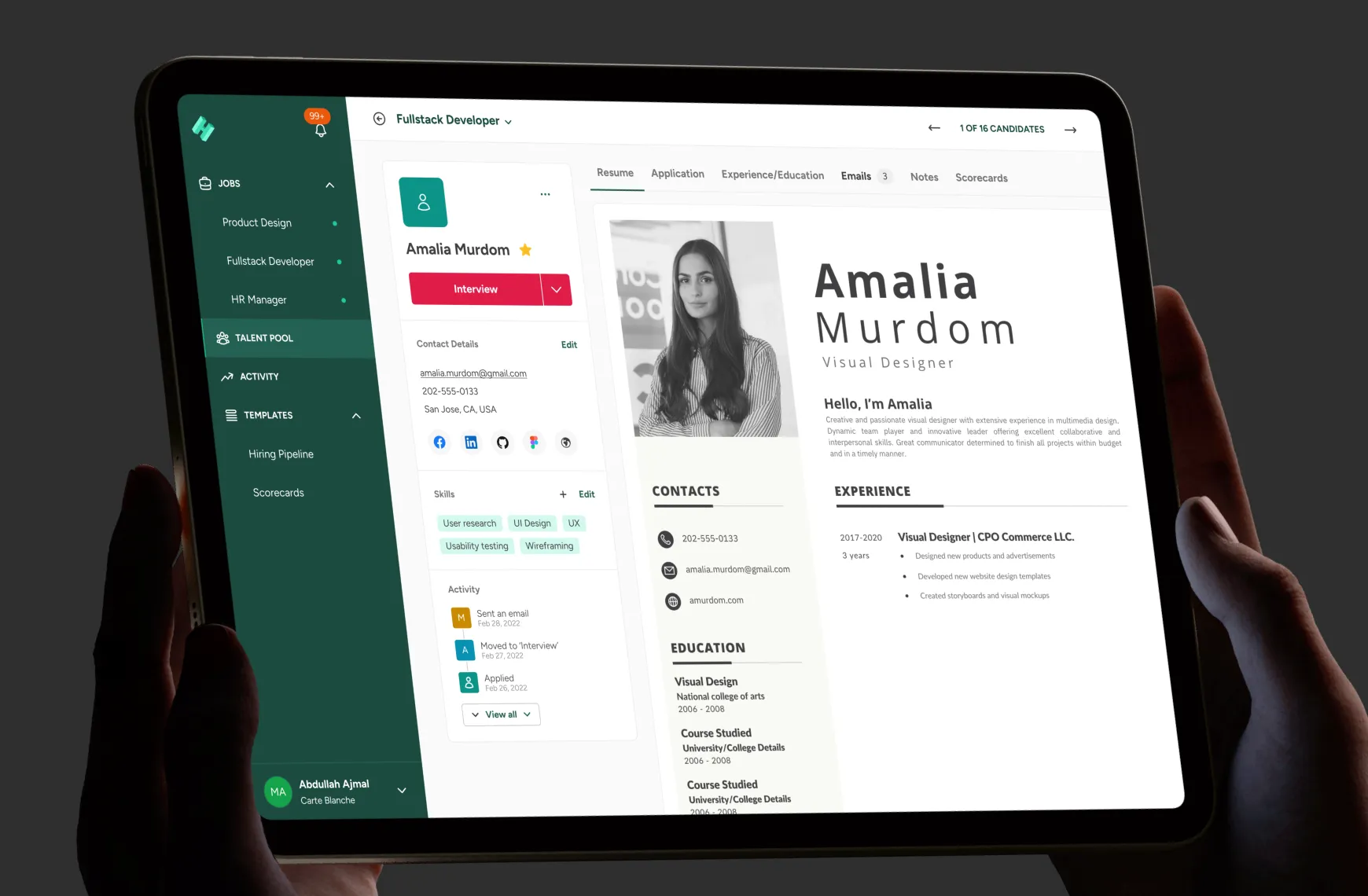
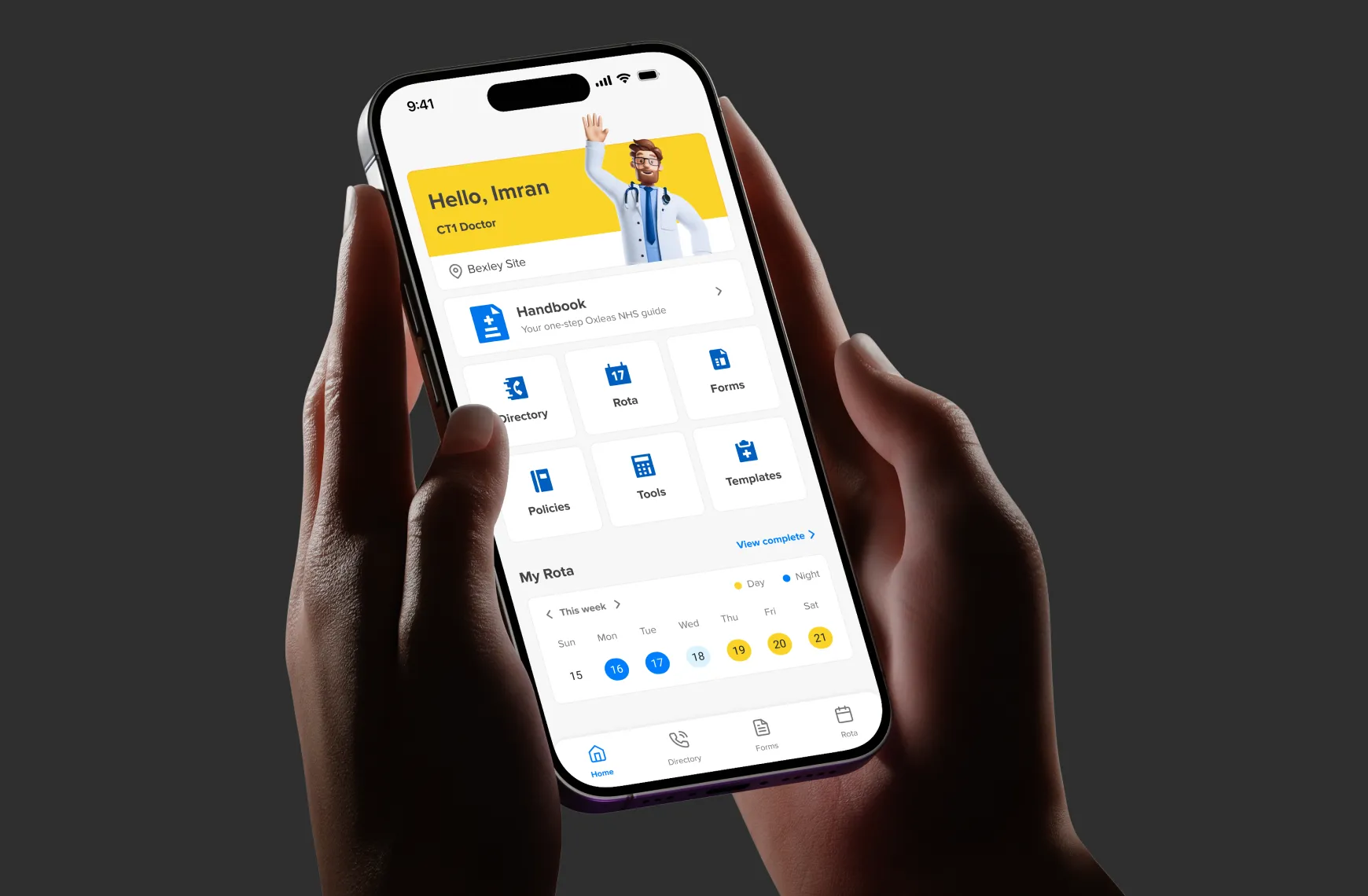
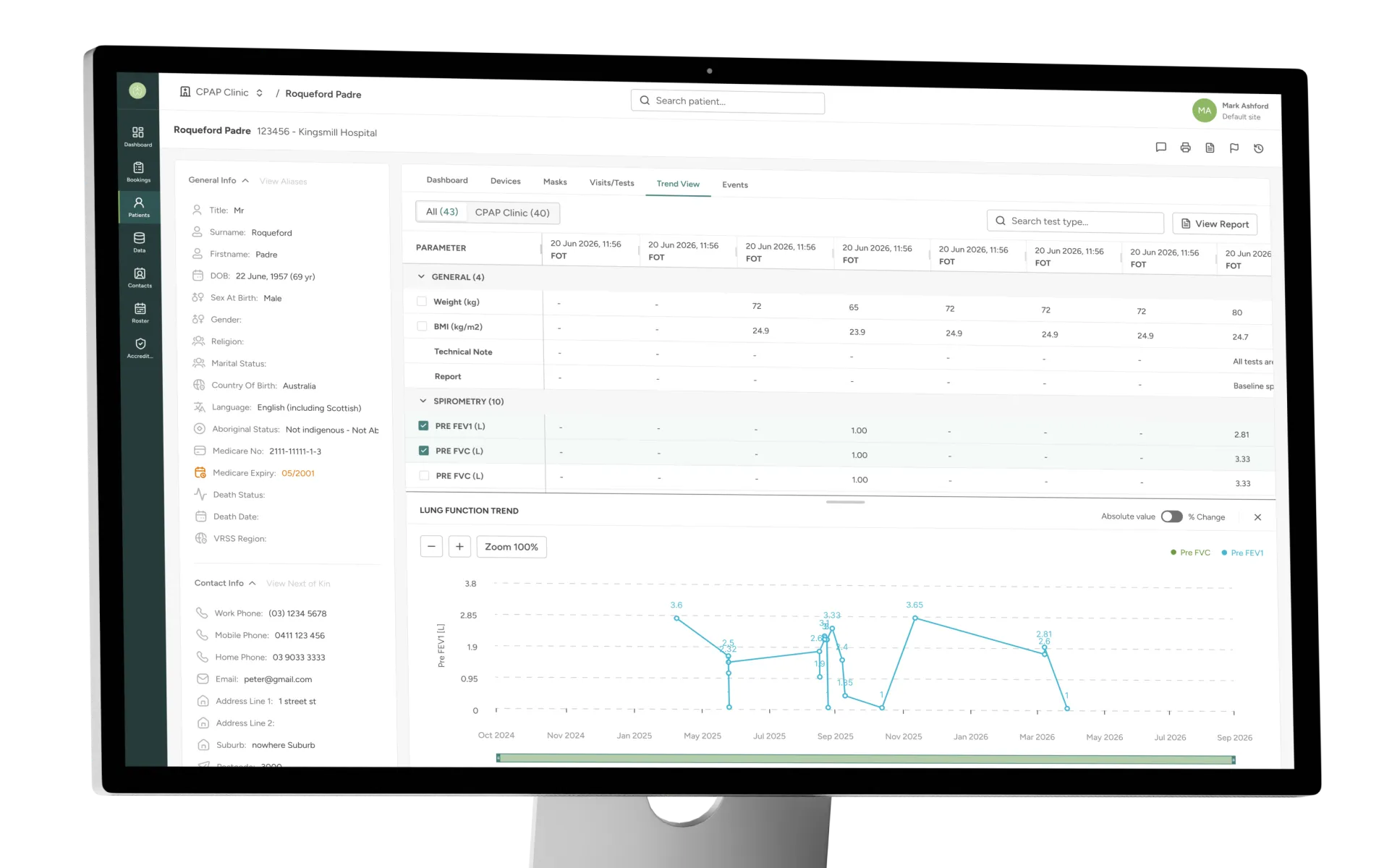
VB desktop system transitioning to a modern cloud-based React web platform serving hospitals across Australia, US and UK
The Problem
Rezibase had successfully served respiratory and sleep labs for over a decade as a desktop application. However, healthcare expectations evolved:
- Legacy software didn't fill the new workflows demanded by evolved healthcare needs
- UX standards improved across clinical systems
- Hospitals increasingly required cloud-based access as inter-department data sharing has become essential
- Multi-location collaboration and remote workflows became normal
To remain competitive and grow the business for the next 10 years, Rezibase needed a full modernization of its UX and frontend architecture—while preserving clinical integrity and operational continuity.
The CEO quietly questioned whether his organization had the internal capacity and transformation expertise required to modernize the platform at production depth without disrupting hospital operations.
Transformation
Before
- Stable but aging desktop architecture
- UX expectations outpacing legacy interface
- Expansion ambitions constrained by deployment model
- Internal team focused on maintenance, not transformation
- Platform reliability strong, but long-term scalability limited
After
- Production-grade React web application
- Cloud-based access supporting distributed hospital teams
- Modular frontend architecture designed for expansion
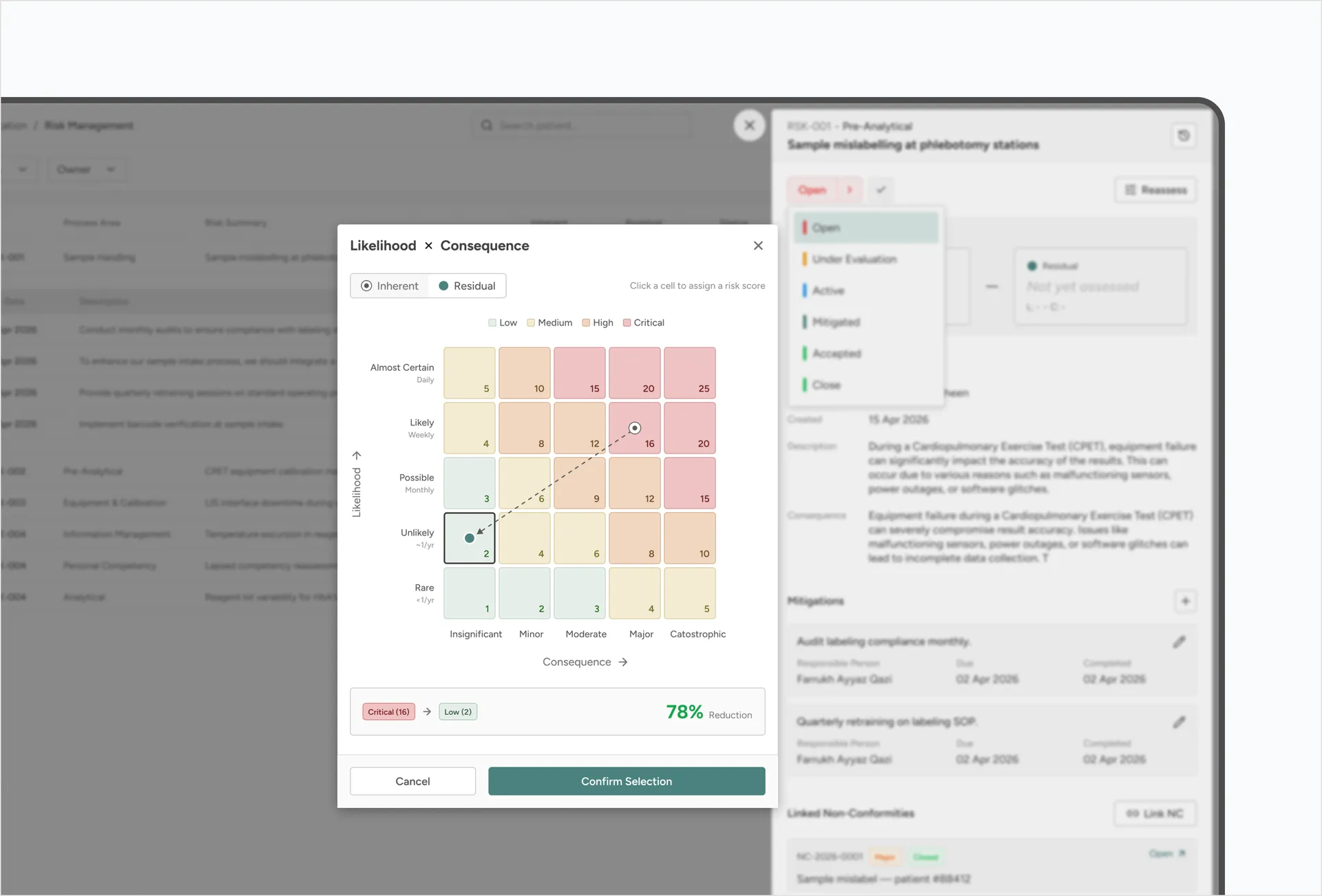
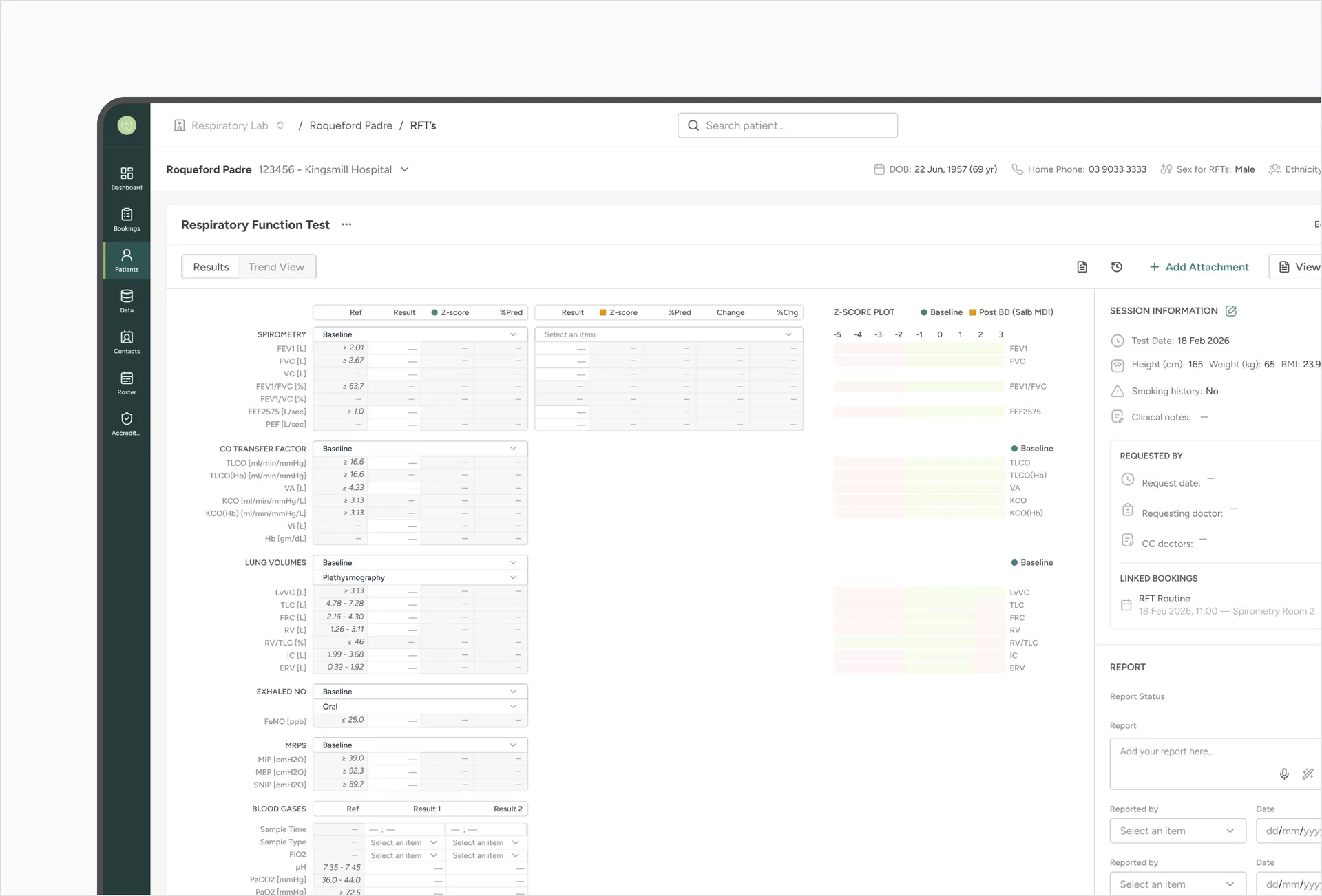
- Modern UX aligned to real clinical workflows
- Multi-hospital deployment across Australia and the UK
- Platform maturity enabling NHS expansion and respiratory collaboration with EPIC
This was not a cosmetic upgrade.
It was structural modernisation for the next growth phase.
Why This Was Hard to Fix?
- Translating complex clinical workflows into intuitive UX
- Rebuilding frontend architecture while maintaining functional integrity
- Delivering incrementally under real operational constraints
The existing team had deep institutional knowledge and maintained the legacy system effectively. However, a full-scale architectural transformation required:
- Dedicated modernization bandwidth
- System level design discipline
- Coordinated module-by-module execution
This was a transformation, not maintenance.
The Approach
We applied our Visibility-First Product Execution approach to reduce uncertainty early.
Execution Steps
- 1Audited legacy workflows and mapped modernization scope
- 2Structured delivery module-by-module to avoid operational disruption
- 3Preserved backend systems while rebuilding frontend architecture
- 4Introduced design system discipline for long-term scalability
- 5Validated each module in real operational context before expansion
From there, execution scaled steadily over 20 months.
Outcome Stats
With CARTE BLANCHE
Better Product Design Decisions
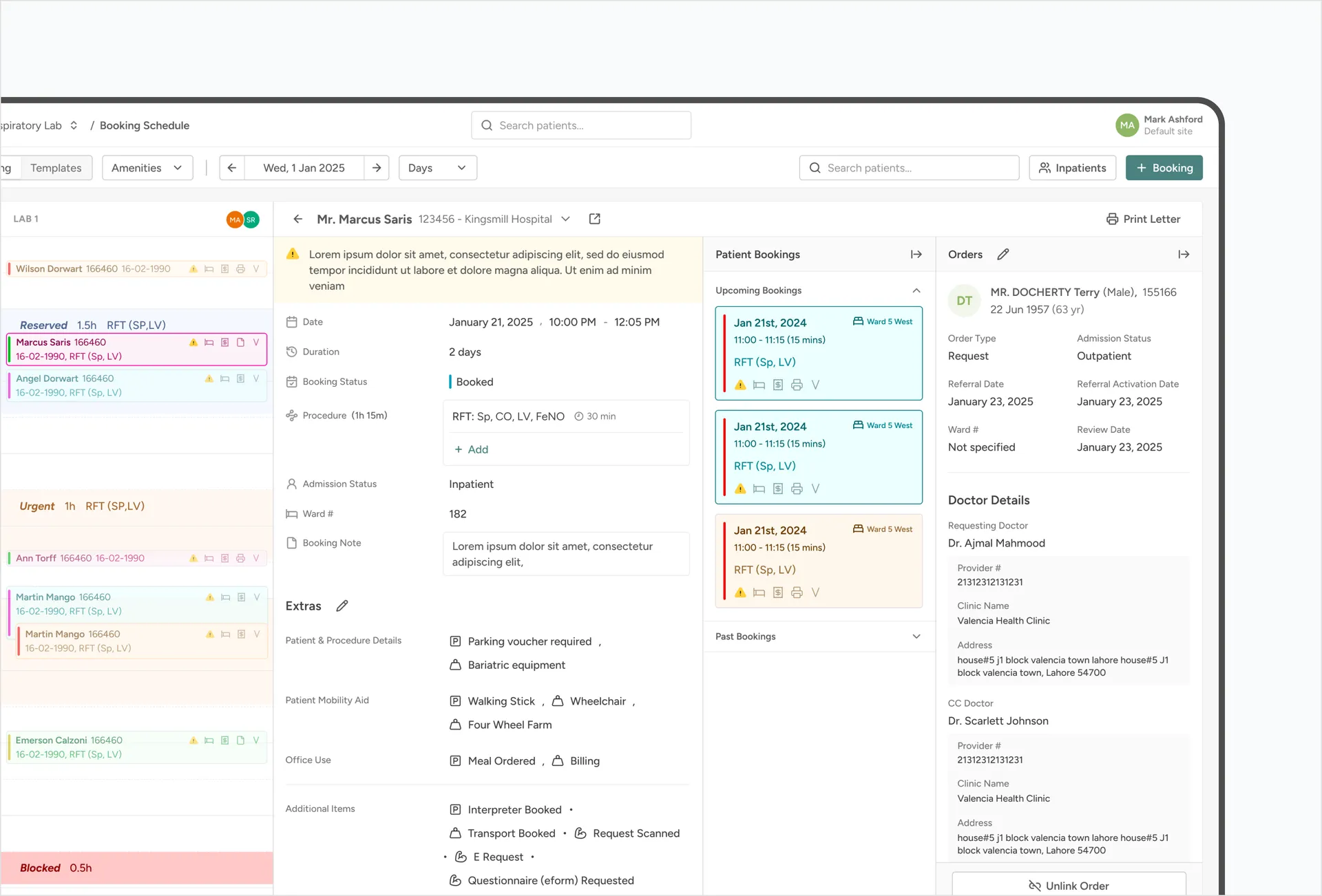
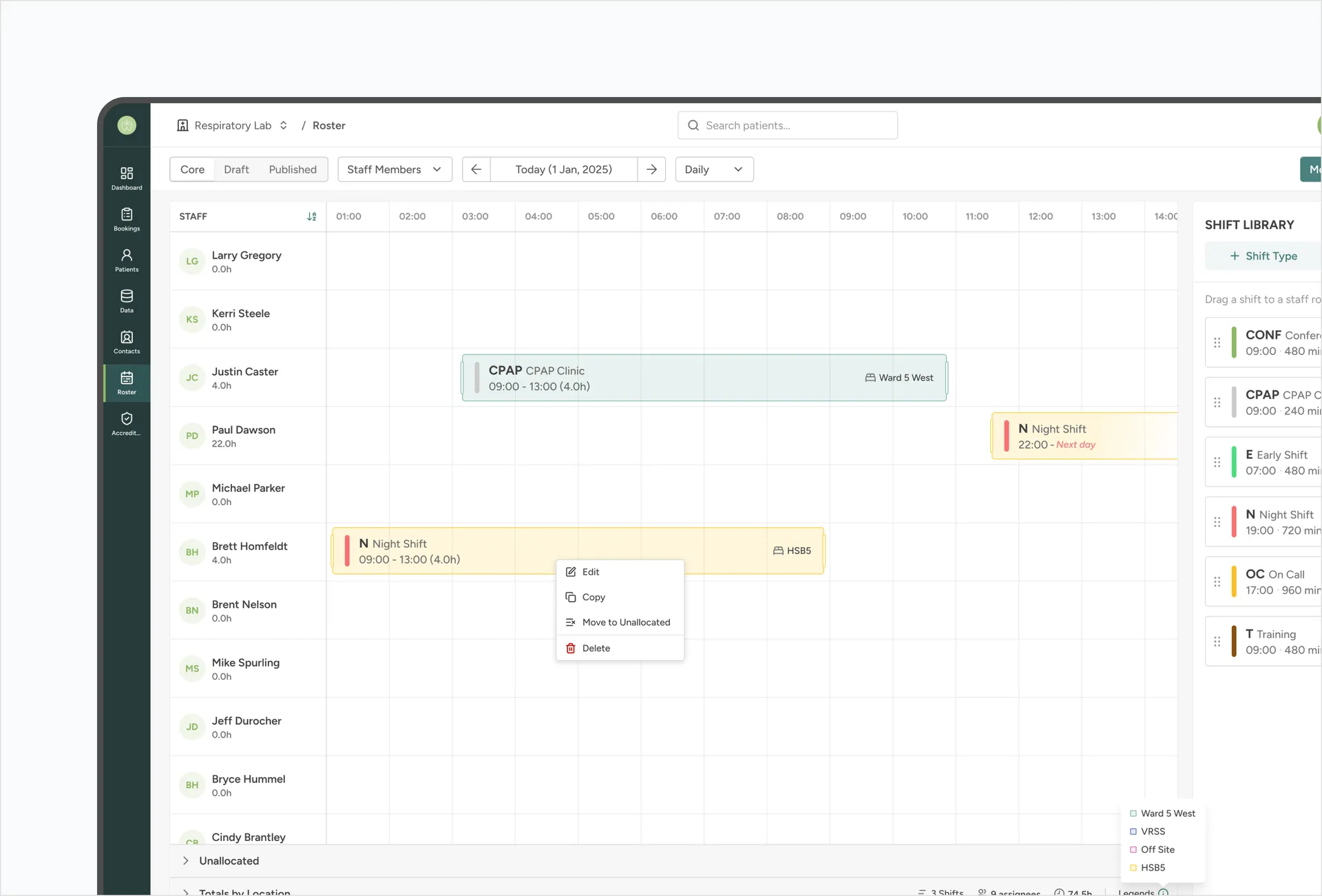
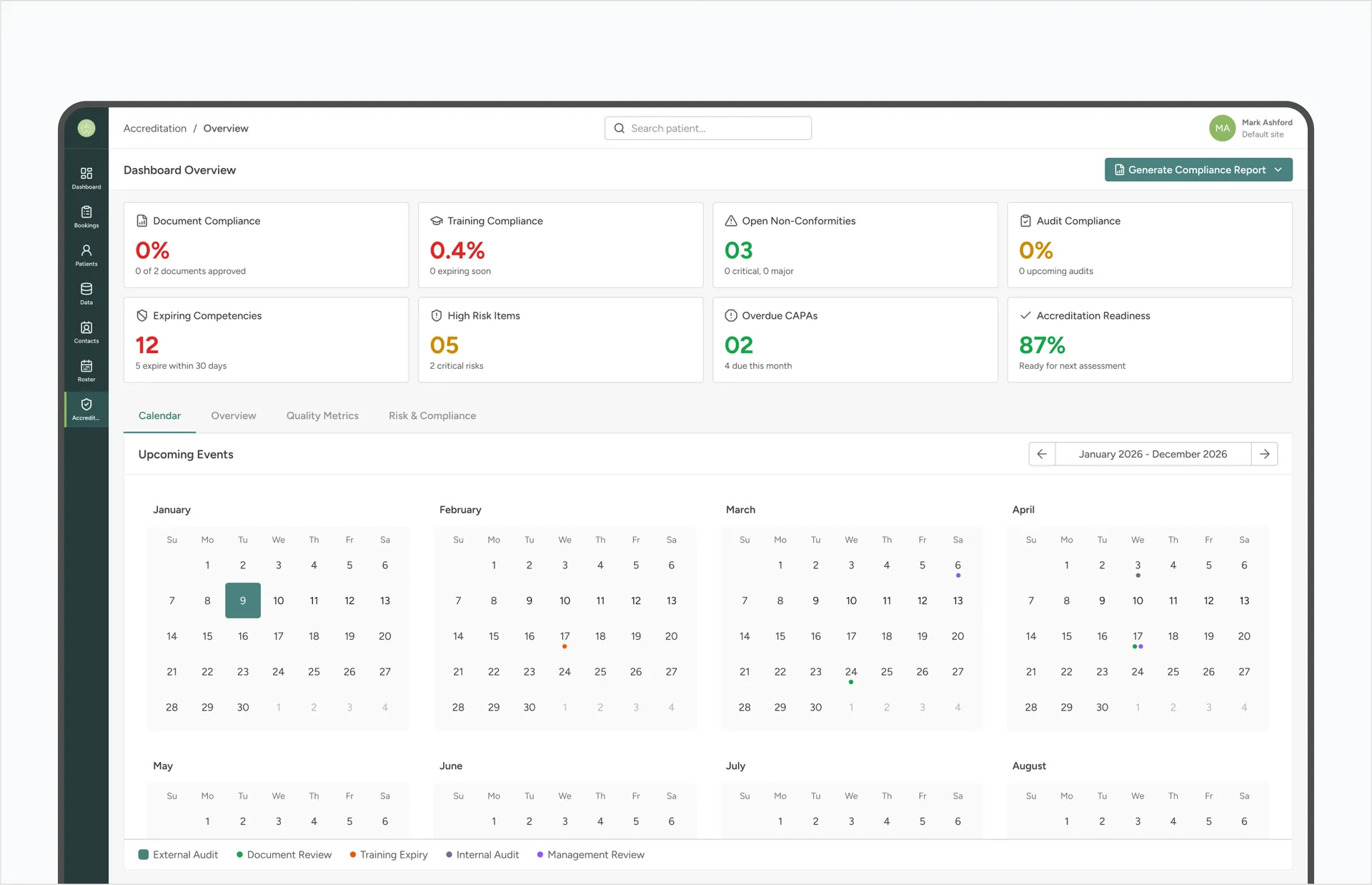
Achieved through disciplined module sequencing and reusable frontend architecture across QC, Patients, RFT, Reporting, Appointments, Templates, and Roster.
Expansion-Ready Architecture (NHS + EPIC Collaboration)
Achieved by modernizing the platform into a vendor-neutral, cloud-based system capable of supporting cross-market growth initiatives.
Multi-Hospital Deployment Across Australia & UK
Achieved by designing for production constraints rather than internal demos.
20-Month Sustained Modernization Program
Achieved by structuring delivery incrementally while maintaining operational continuity for live hospital environments.
Deliverables
Technology Stack
 React
React TypeScript
 Hasura
 MobX
MobX Tailwind
 React AriaAG GridTiptap
 Flask
Flask Heroku
 Docker
 Sentry
 Traefik
 SymPy
SymPy Apollo
Key Features
- Quality Control Management
- Patient Records Management
- Clinical Reporting & RFT workflows
- Appointment Scheduling & Templates
- Staff Roster
- Vendor-neutral clinical data handling
- Cloud-based remote accessibility
“This modernization allowed us to evolve the platform without compromising the reliability our hospital clients depend on. It positioned us for the next phase of growth.”

Book Your Free 1-Hour
Product Consultation Meeting
Step 1 of 4
1. What do you need help with? Select all that apply
2. What are your goals? Select all that apply
3. What's your current monthly product development budget?
4. Who should we contact?
You're booked in!
Thank you! — we'll be in touch within 2 business days to confirm your meeting time.
- 2 Months
Product MVP launched in 8 weeks
- 200%
Increase in Engineering speed
- 300%
Increase in product control and visibility
- 84%
Decrease in Cloud architecture cost
- 400%
Increase in data accessibility
- 66%
Decrease in management cost due to automation